
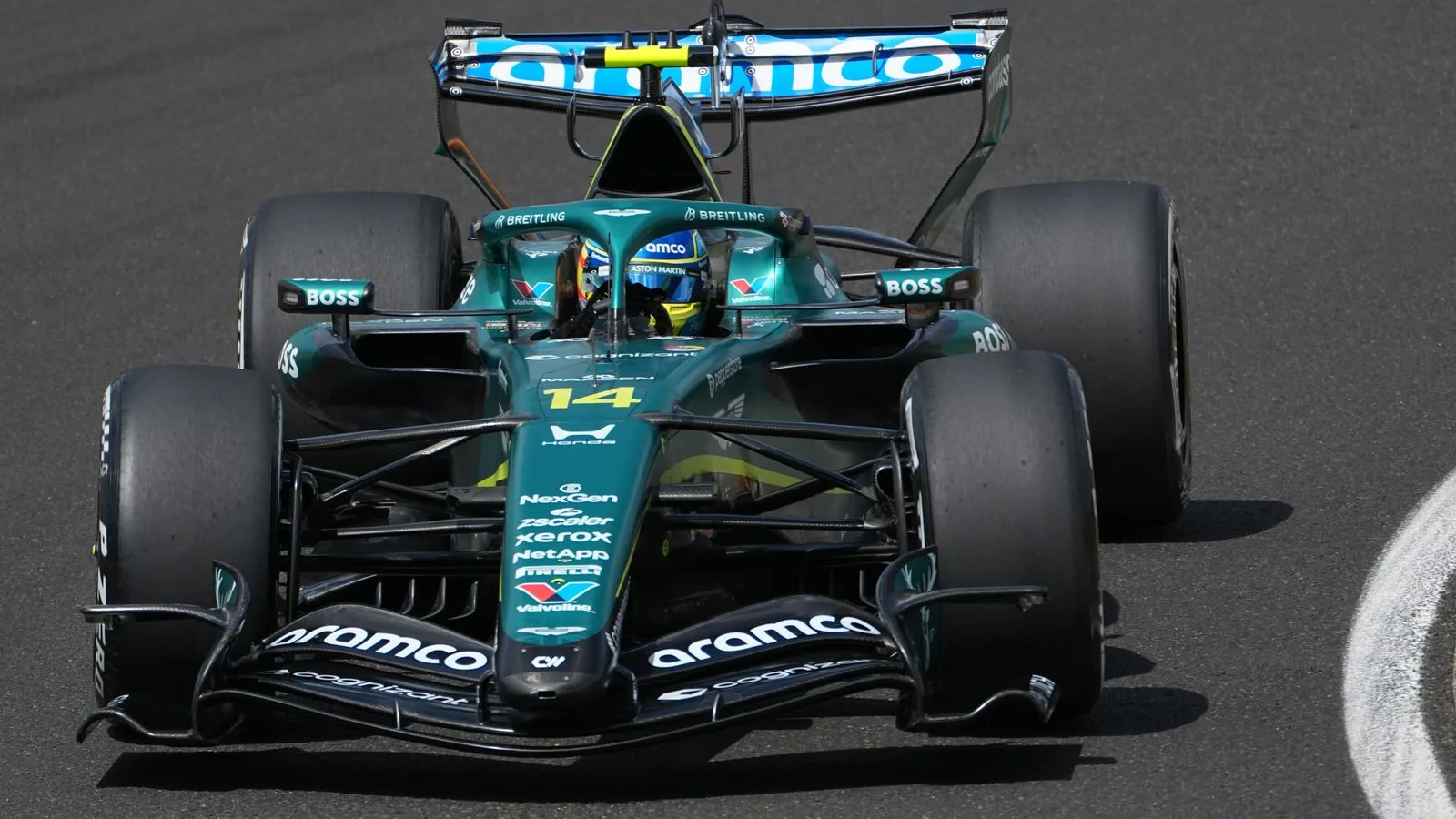

Aston Martin’s Upgrade Package
Aston Martin introduced a substantial upgrade package for the Hungarian Grand Prix, featuring 16 new parts. This overhaul, which included modifications to the front wing, floor, diffuser, and rear suspension, marked a significant effort to improve the car’s performance. The team had opted to wait until the 11th round in Budapest to implement these changes, rather than introducing smaller updates over several weekends.
Fernando Alonso expressed satisfaction with the upgraded car, noting that it felt “much better” and more predictable. He described the car as feeling “more glued to the ground and easier to drive” during practice sessions. This development allowed him to progress to Q2 for the first time in the 2026 season, a clear indicator of the team’s advancement.
The decision to bring such a comprehensive package to Hungary was part of Aston Martin’s strategy to climb the competitive ladder in Formula 1. The team’s initial approach to the latest generation of rules at the start of the season aimed to challenge the sport’s established top teams. However, they have faced a challenging campaign, with both the Honda engine and the chassis, designed under team boss Adrian Newey, not meeting initial expectations.
Alonso’s Renewed Fight and Team Optimism
For Fernando Alonso, the upgrades brought a renewed sense of competition. He described the qualifying session as a “different Qualifying,” where the team felt they could “fight a little bit more.” This feeling of being able to influence the final result with a perfect lap or setup was something he had missed in recent events, where the team often found themselves on the last row of the grid.
Alonso’s progression to Q2, where he outpaced six drivers to secure P16 on the grid, was a significant step. He had previously secured Aston Martin’s first point of the season by being promoted to P10 in Monaco. The recent qualifying performance in Hungary, however, is seen as the clearest evidence of the team’s development efforts.
Despite the positive signs, Alonso acknowledged that scoring points in the race might still be challenging, as they seemed “a little bit out of reach.” Nevertheless, he expressed optimism about unlocking more potential from the car, especially as the Hungarian Grand Prix would be the first time they ran more than six or seven laps on the new package, providing a crucial test for reliability and other aspects of the car.
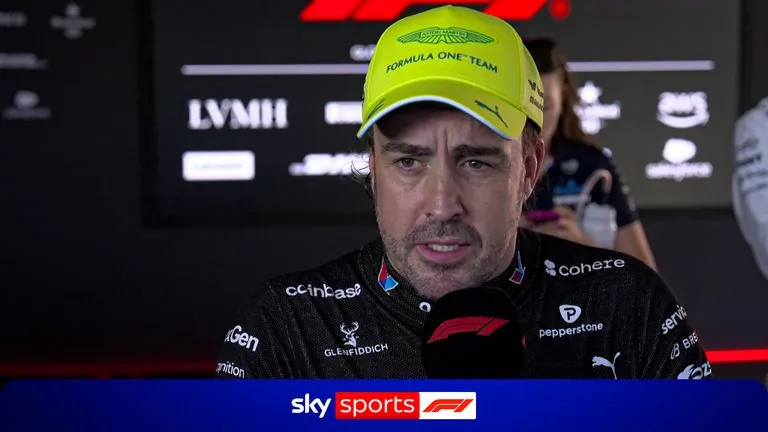
The chassis upgrade precedes an anticipated major engine upgrade from Honda, expected at the Dutch Grand Prix after the summer break. Alonso highlighted the need for more performance from both the chassis and the engine, viewing the upcoming race in Zandvoort with the new engine as another important test. He noted that the correlation between what was expected from the new package and its performance on track was encouraging, fostering a positive atmosphere within the team for future projects.
Mixed Fortunes and Future Goals
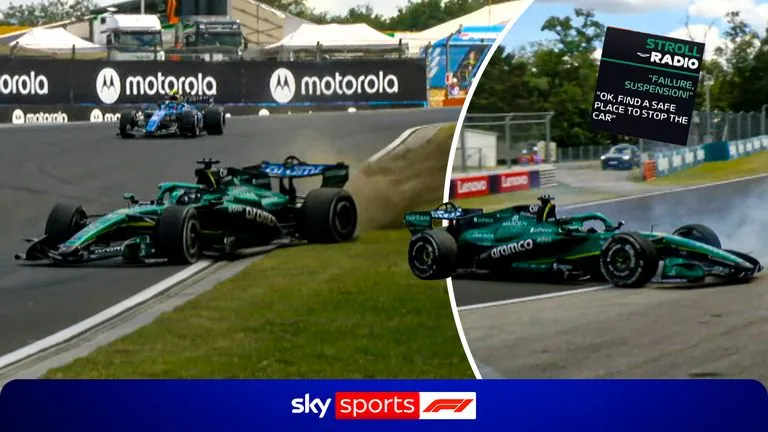
While Alonso experienced a positive day, the team faced mixed fortunes during practice. Lance Stroll’s car suffered a left-rear suspension failure during the first practice session, which subsequently ruled him out of the second session. Adrian Newey, who joined Aston Martin from Red Bull in March 2025, admitted that the team was initially unsure of the cause of the problem, especially since the failed part was not new, though it was surrounded by new components.
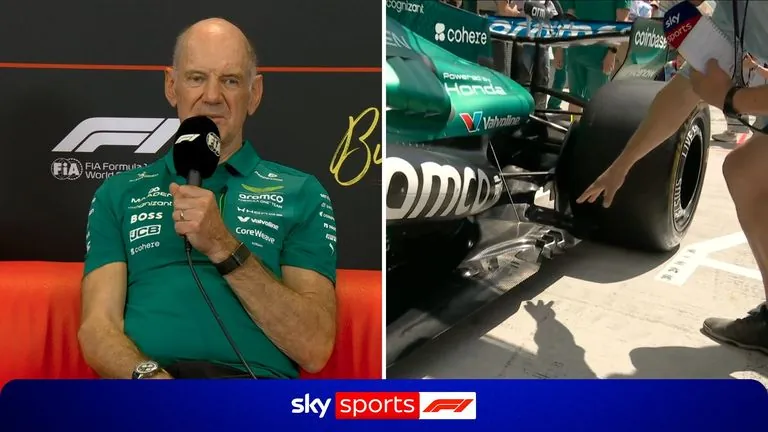
Newey, the sport’s most decorated designer, stated that the immediate goal for the team was to achieve “respectability.” He described the initial races of the season as a “complete nightmare” and expressed hope that the team could secure at least a point and improve their standing. He aims for the team to continue moving forward from this point.
Alonso’s 19th position on the timesheet in second practice, despite appearing modest, was influenced by a significantly faster lap being disallowed due to a track limits breach, as well as traffic and a red-flag interruption caused by Alpine’s Franco Colapinto. These factors suggested that more pace could be extracted from the car. The team focused on testing the new parts and understanding the setup direction, which could differ significantly from previous events, indicating further potential to be unlocked before qualifying on Saturday, July 25.
The Hungarian Grand Prix qualifying is scheduled for Saturday, July 25, with the race set for Sunday, July 26.
Source: formula1.com

Harry Loxley is a Senior Football Correspondent at NewsGB.org. He spent his early career reporting East Midlands football. He focuses on the Premier League, the EFL and the England national side and is known for clear, deadline-driven reporting. He holds a degree in Sports Journalism from the University of Derby and completed an NCTJ diploma. Now based in Derby, he watches non-league and runs a fan podcast. “Good football writing follows the people, not just the points.”