
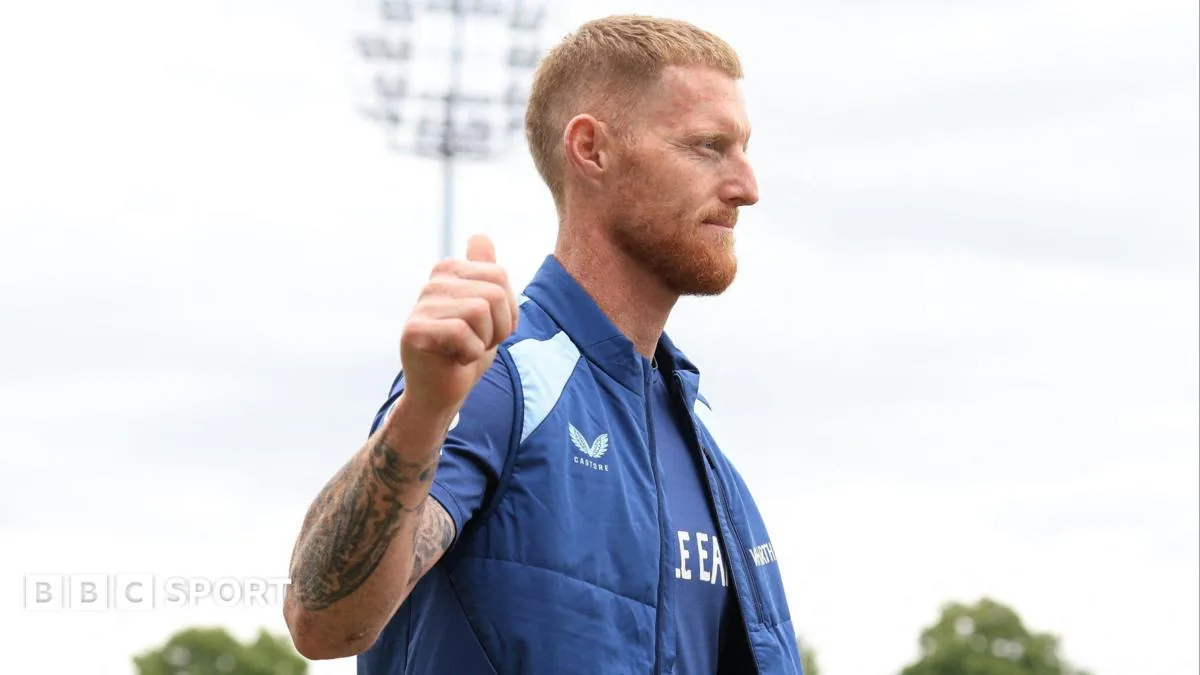

Ben Stokes, the England captain, has announced his retirement from international cricket, stating he is “done” and rejecting suggestions of a return for next year’s Ashes. His international career concluded following his side’s defeat by New Zealand in the third Test, which confirmed a 2-1 series loss.
Stokes, who is 35, made his retirement announcement on Sunday. When asked about a potential return to play Australia next summer, he told BBC Test Match Special that he is “incredibly content with everything right now” and that the decision was not taken lightly, having required significant time. He affirmed his decision by stating, “I am done. I am very happy.” When pressed further, he simply responded, “Sure.”
A Career of Defining Moments
Stokes’s career has been characterised by memorable moments rather than solely by statistics. He leaves a legacy of being a “superhero all-rounder,” following in the footsteps of figures like Ian Botham and Andrew Flintoff. His influence on matches extended over a longer period than his predecessors, a notable achievement given his participation across all three formats of the game.
Among his significant contributions are his role in England‘s 50-over World Cup triumph in 2019 and the T20 World Cup title in 2022. He is also remembered for his match-winning unbeaten century against Australia at Headingley in 2019 and his performance in the 50-over World Cup final at Lord’s in the same year.
Beyond his playing prowess, Stokes‘s captaincy is considered his second major legacy. Despite not being initially tipped for leadership, he emerged as a skilled man-manager and an innovative tactician. Under his leadership, England secured 24 victories from 44 matches, marking a higher win rate than any captain since Mike Brearley.
When Stokes took over the captaincy, English cricket was in a challenging period, with only one win in 17 Tests and facing the impact of Covid restrictions. Working alongside head coach Brendon McCullum, he revitalised the team and re-engaged the public, leading to an exhilarating style of play known as “Bazball.”
However, his captaincy did not culminate in an Ashes victory. The aftermath of a tour to Australia, which saw a 4-1 series defeat, contributed to the discussions that led to his retirement. He had been considering ending his career even before recent incidents, with feelings growing during the first Test against New Zealand at Lord’s.
Factors in the Decision and Future Implications
Stokes admitted that recent events, including being left out of the second Test against the Black Caps due to breaking a team curfew, were a factor in his decision. He stated that a “series of unfortunate events” had occurred, and that the demands of his role over the past six to twelve months had taken their toll, acknowledging some negative aspects despite the honour of the position.
Head coach Brendon McCullum attempted to persuade Stokes to continue when informed of his plans on Sunday. McCullum expressed sadness over the retirement, highlighting their close working relationship over four years and calling Stokes an inspiration and a good friend.
Stokes‘s departure leaves England facing questions about future leadership and team balance. He has expressed his “100%” backing for Harry Brook as a potential successor for the Test captaincy, challenging him to demonstrate the necessary maturity. The absence of a world-class all-rounder also raises concerns about the team’s composition, particularly after Stokes missed the second Test at The Oval.
His retirement continues a trend of experienced players leaving the England setup, following James Anderson, Stuart Broad, Chris Woakes, and Moeen Ali. This leaves Joe Root as an active England Test player with experience of winning an Ashes series.
Despite speculation about a temporary retirement, Stokes has firmly dismissed any possibility of returning for another attempt at the Ashes next summer, stating he will be “in a hospitality box somewhere.”
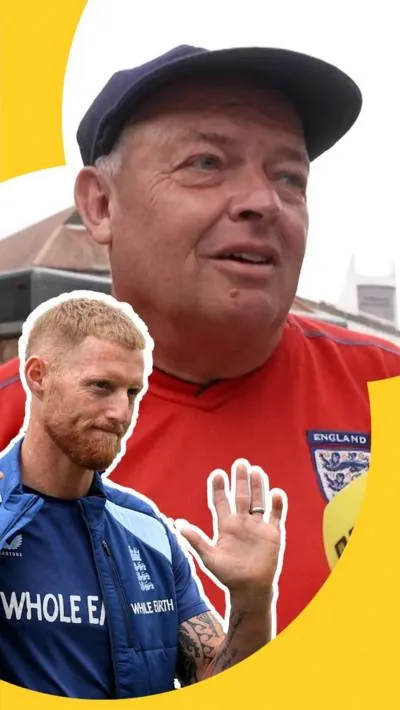
The defeat by the Black Caps marks England‘s first home series loss since 2012, and it follows the 4-1 Ashes defeat.
Read Also
Source: bbc.co.uk

Harry Loxley is a Senior Football Correspondent at NewsGB.org. He spent his early career reporting East Midlands football. He focuses on the Premier League, the EFL and the England national side and is known for clear, deadline-driven reporting. He holds a degree in Sports Journalism from the University of Derby and completed an NCTJ diploma. Now based in Derby, he watches non-league and runs a fan podcast. “Good football writing follows the people, not just the points.”