
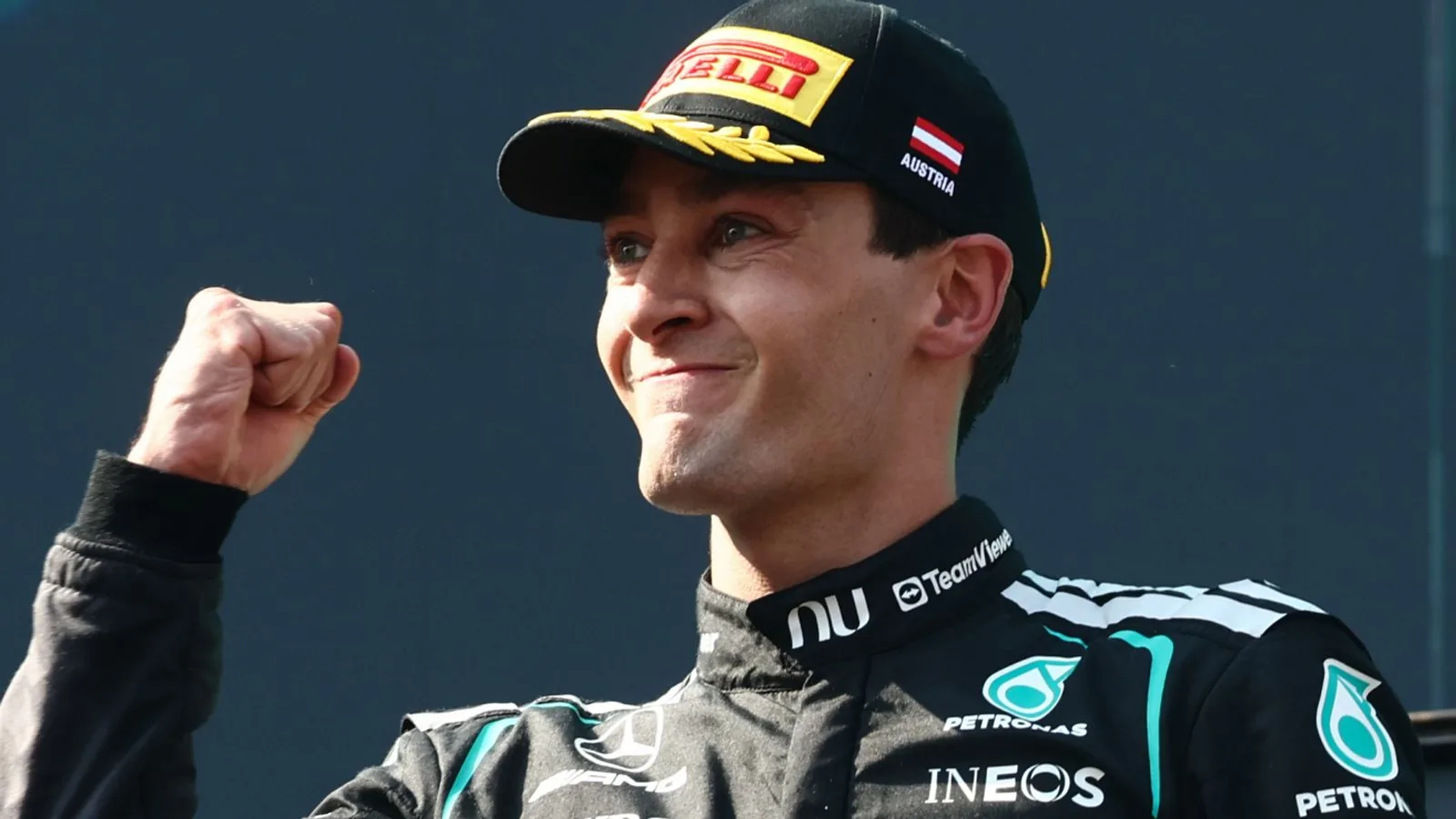

George Russell secured his second victory of the season at the Austrian Grand Prix, starting from pole position. This win reduced his championship deficit to teammate Kimi Antonelli to 40 points, moving him back into second place in the drivers’ standings. Max Verstappen finished second after a qualifying crash, with Antonelli taking third.
Russell’s pole position, which laid the groundwork for his victory, occurred under controversial circumstances involving a yellow flag. During qualifying, marshals initially displayed a single yellow flag after Verstappen crashed at Turn Nine, a high-speed corner taken at nearly 140mph. Antonelli, misinterpreting a light board as a double yellow, slowed down significantly, adhering to what he believed were the correct protocols for a double yellow flag, which require drivers to slow and be prepared to stop. However, under a single yellow flag, drivers are not required to abandon their lap, only to avoid setting a fastest time in the affected section of the track. Russell complied with this rule, and the remainder of his lap was fast enough to secure pole.
Yellow Flag Controversy
The decision to show only a single yellow flag at Turn Nine, where Verstappen’s car was in the barrier, drew criticism from both Verstappen and Antonelli. Verstappen described the situation as “quite crazy,” while Antonelli questioned why a double yellow flag was not immediately displayed for a car in the wall at such a fast corner. He noted that while a single yellow might be acceptable for a slow-speed corner, fast corners should prompt an immediate double yellow. Race control upgraded the flag to a double yellow within 20 seconds, but by then, all drivers had completed their laps.
The incident has raised concerns about the precedent set, with some suggesting that drivers might now continue to push hard after a minor slowdown under a single yellow flag to avoid having their lap cancelled. The core issue revolves around whether the appropriate flag was shown given the severity and location of Verstappen’s crash.
Russell himself acknowledged being at a “low point” before his recent strong performances. His victory in Austria marked his first grand prix win since the opening race of the season. This followed a period where Antonelli had extended his championship lead to 68 points after a record-setting victory in Monaco, where he became the first driver to secure the first five wins of his career consecutively. Russell had only achieved one podium finish during Antonelli’s dominant streak.
Reflecting on the challenges, Russell stated that the past few months included “tough performances” and races where “everything was going against me.” He highlighted the resilience needed to deliver strong results after a low point, especially after securing two poles and a win on a track he doesn’t consider particularly suited to him. Despite closing the gap, Russell expressed uncertainty about making further inroads at the upcoming British Grand Prix, noting inconsistencies in his car’s performance throughout the Austrian weekend.
Ferrari’s Austrian Struggles
Meanwhile, Ferrari experienced a challenging weekend in Austria, finishing a distant fifth and eighth after qualifying second and third. This outcome followed an impressive victory in Barcelona for Lewis Hamilton. Hamilton described the Austrian Grand Prix as a “reality check” for Ferrari, noting a lack of pace and grip. Both Ferraris opted for a three-stop strategy, unlike other top teams.
Hamilton also revealed disagreements with the team regarding strategy before the race, preferring a three-stop approach due to anticipated high tyre degradation on a track with high temperatures. The team, however, pushed for a medium tyre start, which Hamilton believed was sub-optimal. Team principal Frederic Vasseur suggested that the team might have been overly focused on trying to keep pace with Mercedes early in the race, leading to an aggressive strategy that wasn’t suited to their actual race conditions. In the broader context of the season, Barcelona appears to be the outlier for Ferrari, rather than Austria, despite chassis and engine upgrades.
The driver market, often referred to as the ‘silly season’, is also a topic of discussion for the 2027 season. The future of the market largely depends on Max Verstappen’s decisions. While he is contracted to Red Bull until the end of 2028, a performance clause in his deal could theoretically allow him to leave if the team does not meet certain conditions. However, most top teams have drivers under contract beyond the current season, and Russell has stated his certainty about remaining at Mercedes, where Antonelli’s future is also secure. The future of Fernando Alonso is also a point of speculation, though Aston Martin may not be a particularly appealing option given their current season performance.
Williams also faces questions regarding the future of its drivers, Carlos Sainz and Alex Albon, given the team’s regression since the previous year. Despite finishing fifth last year, the team has slumped in competitiveness, currently lying eighth in the constructors’ championship. Team principal James Vowles had previously indicated that efforts were focused on making 2026 a year of significant progress towards winning races again.
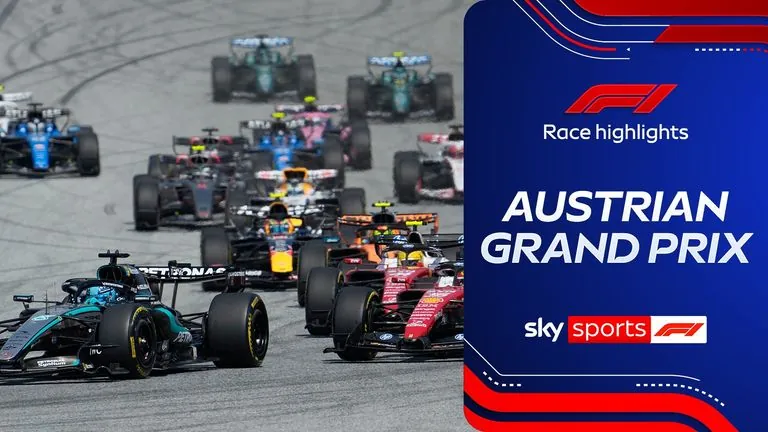
The next event in the 2026 Formula 1 season is a Sprint weekend at Silverstone for the British Grand Prix.
Read Also
- New Zealand secure series victory over England in Ben Stokes' final match
- Manchester City face early blow as Rodri set to miss start of season
- Wimbledon sees nine Britons exit on opening day, Norrie among those defeated
- Ben Stokes announces international retirement during New Zealand Test series decider
Source: bbc.co.uk

Harry Loxley is a Senior Football Correspondent at NewsGB.org. He spent his early career reporting East Midlands football. He focuses on the Premier League, the EFL and the England national side and is known for clear, deadline-driven reporting. He holds a degree in Sports Journalism from the University of Derby and completed an NCTJ diploma. Now based in Derby, he watches non-league and runs a fan podcast. “Good football writing follows the people, not just the points.”