
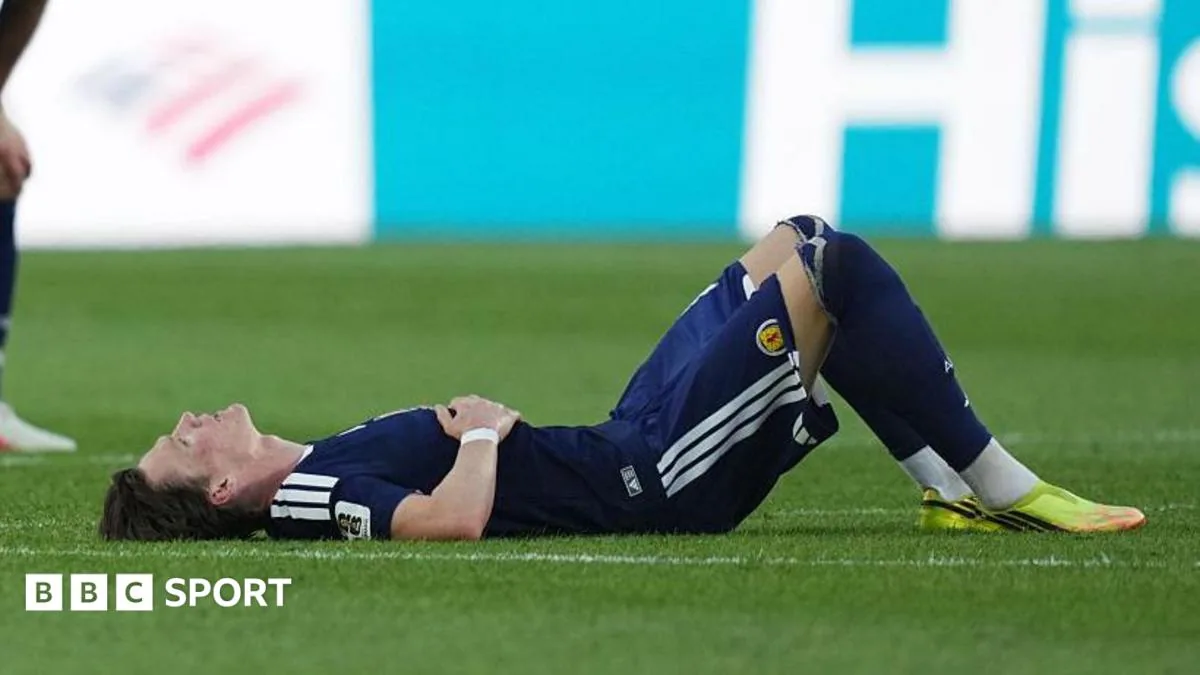

Clarke’s Departure Confirmed
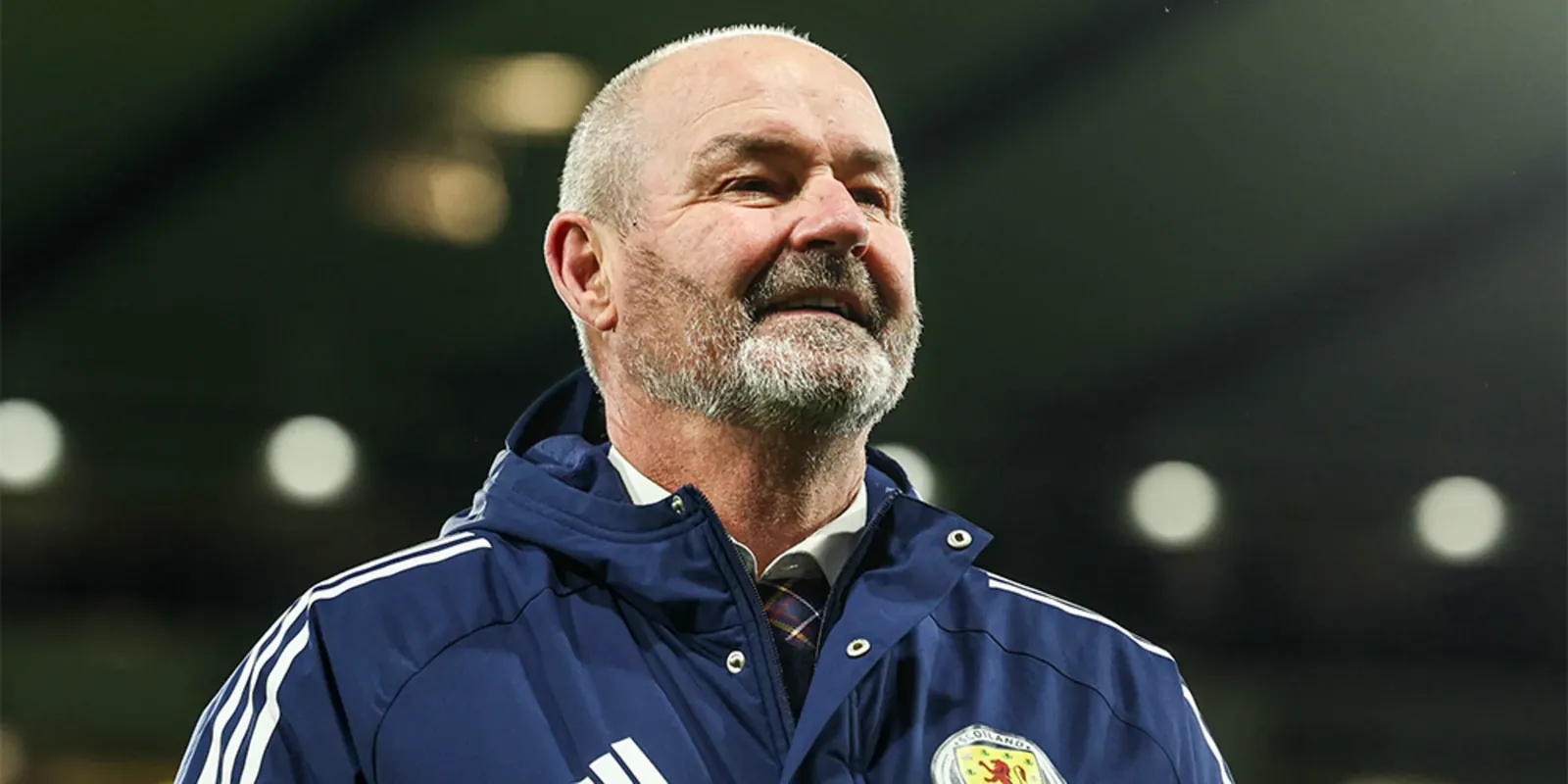
Steve Clarke has resigned from his position as head coach of Scotland following the team’s exit from the World Cup. The announcement from the Scottish FA came shortly after Croatia defeated Ghana on Saturday, which confirmed Scotland‘s elimination from the tournament. Players were informed of Clarke’s departure while still at their base in Charlotte.
Clarke had recently signed a new four-year deal just a month prior to his resignation. His tenure as head coach spanned seven years, during which he guided Scotland to its first men’s World Cup in 28 years, in addition to securing qualifications for two European Championships.
In a statement, Clarke expressed his gratitude to the players, acknowledging their role in the team’s achievements. He stated that the most emotional aspect of his goodbye was for his players, crediting them for the memories accumulated since 2019. He concluded by wishing his successor well.
Ian Maxwell, Chief Executive of the Scottish FA, acknowledged the disappointment of the World Cup group stage exit but highlighted the significant progress made under Clarke’s leadership. Maxwell noted that Clarke had successfully taken Scotland back to major tournaments, fulfilling his remit.
World Cup Campaign Overview
Scotland began their World Cup campaign with a 1-0 victory over Haiti in Boston. However, they subsequently faced a 1-0 defeat against Morocco in the same city, followed by a 3-0 loss to Brazil in Miami. These results left Scotland with a slim chance of advancing to the last 32 as one of the best third-placed teams, but this hope was ultimately extinguished on Saturday, three days after the loss to Brazil.
Despite the qualification success for major tournaments, Scotland‘s performances in all three competitions were described as underwhelming, with the win against Haiti being their only victory in the finals. The team’s bid to progress in the World Cup was undermined by defensive errors in their match against Brazil.
The team’s performance in the tournament saw them score one goal. Players like Elijah Just of Motherwell and Jonathan David of Canada were noted for having higher individual goal tallies or expected goals than the entire Scotland team during the competition. The Tartan Army, the travelling support, were praised for their efforts to encourage the team.
Reflecting on the Team’s Performance
Some observers have pointed to various factors contributing to Scotland‘s performance, including the manager’s approach and the perceived quality of the squad at the World Cup level. While some criticised Clarke for being overly negative, others argued that the team’s collective strength was average in the context of a World Cup.
The squad includes players such as Angus Gunn, who struggles for game time at Nottingham Forest, and Aaron Hickey, who has faced injury issues. Nathan Patterson also experiences limited playing time with Everton. Jack Hendry finished seventh in the Saudi Pro League, and Grant Hanley, despite his resilience, is not considered a high-end international defender.
Following an error against Morocco, Hanley was replaced by Scott McKenna against Brazil, with McKenna making an early error in that match. Kieran Tierney, a key player, has had his influence curtailed by injuries, having played only one 90-minute game all season. Andy Robertson, a long-standing performer for Liverpool, made most of his Premier League appearances off the bench last season.
Scott McTominay, a prominent player in Serie A, was noted for not being as impactful against top-tier midfield opponents in the World Cup. John McGinn, a respected leader at Aston Villa, was played out of his usual position on the left to accommodate Ben Gannon-Doak‘s pace on the right. Gannon-Doak, despite being an exciting prospect, has been injured and has played limited minutes for Bournemouth this season. Ryan Christie, another player used out of his best club position, has started only nine league games for Bournemouth, with 17 substitute appearances. Lewis Ferguson was highlighted as a strong performer for Scotland, despite not always being a guaranteed starter for Bologna.
The immediate future for Scotland involves finding a successor to Clarke, with the search for a new head coach beginning now.
Read Also
Source: bbc.co.uk

As NewsGB.org's Sports News Writer, Theo Marsden reports on rugby union, golf and boxing for readers across the country. He began on a regional sports desk in Yorkshire. He holds a degree in Journalism from the University of Hull and completed an NCTJ diploma. Theo lives in Hull, where he follows the European Tour and amateur rugby. “Sport moves fast; readers deserve it right the first time.”