
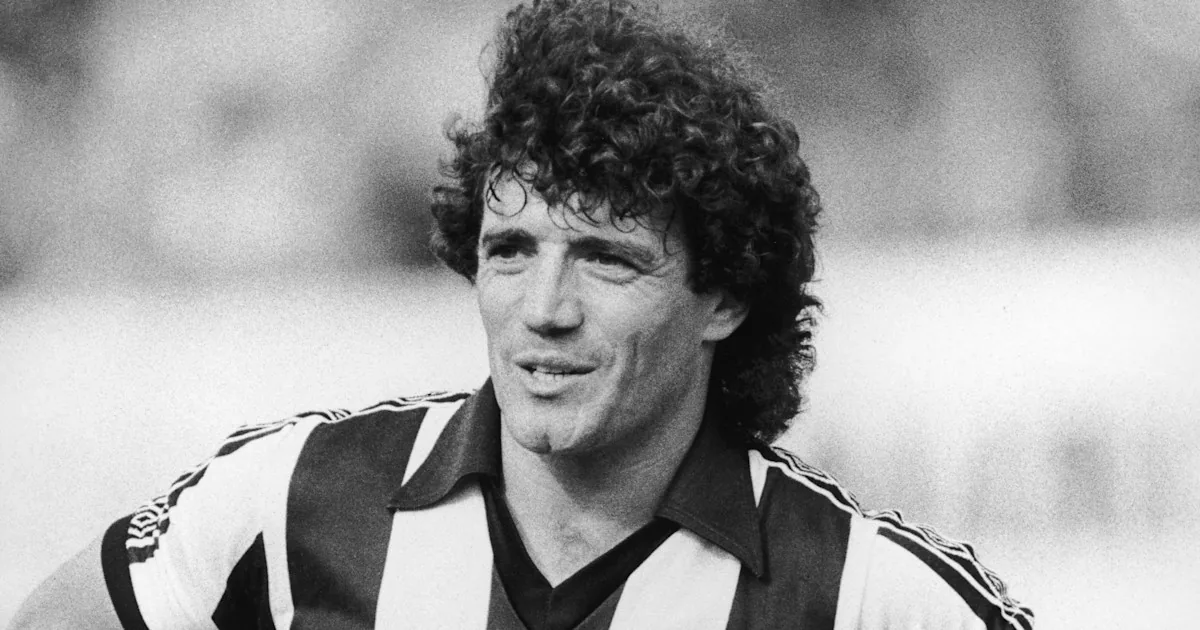

Kevin Keegan, a prominent figure in English football as both a player and manager, has passed away at the age of 75. The former England and Newcastle manager was a two-time European Footballer of the Year and a key member of Liverpool teams that secured multiple First Division and European titles in the 1970s.
Keegan’s family announced his passing, stating he had been battling cancer. In June, Keegan himself had disclosed that he was at stage four of the illness. The family’s statement conveyed immense sadness and requested privacy during this difficult period, thanking his medical team for their support.
A Distinguished Playing Career
Keegan began his professional journey at Scunthorpe before joining Liverpool in 1971, signed by Bill Shankly. During his time at Anfield, he contributed to three First Division titles, an FA Cup victory, two Uefa Cup wins, and the 1977 European Cup. He holds the distinction of being the only British player to have won two Ballons d’Or.
Despite his achievements, Keegan, known as “Mighty Mouse,” described himself as not a natural talent. He attributed his success to hard work, humility, and a willingness to confront challenges, qualities that resonated with the Kop faithful. He often cited Shankly’s philosophy of dedication as a guiding principle.
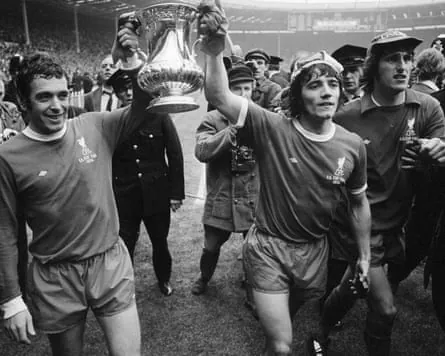
After his successful spell at Liverpool, Keegan moved to German club Hamburg, where he was twice named European Footballer of the Year. He later returned to England, playing for Southampton and Newcastle before concluding his playing career. He also represented England, playing at the 1982 World Cup and captaining the team at the 1980 Euros.
Keegan’s fiery temperament was a notable aspect of his career. He was famously sent off in the 1974 Charity Shield following an altercation with Leeds’s Billy Bremner. His intolerance for perceived deception in football was a consistent theme throughout his life.
From Player to Manager
Following his retirement as a player, Keegan relocated to Spain. His managerial career began in 1992 at his former club, Newcastle. He guided the team into the Premier League and came close to winning the 1995-96 title, ultimately finishing behind Manchester United. His passionate “I will love it!” declaration during a period of intense rivalry with Alex Ferguson has become an iconic moment in English football lore.
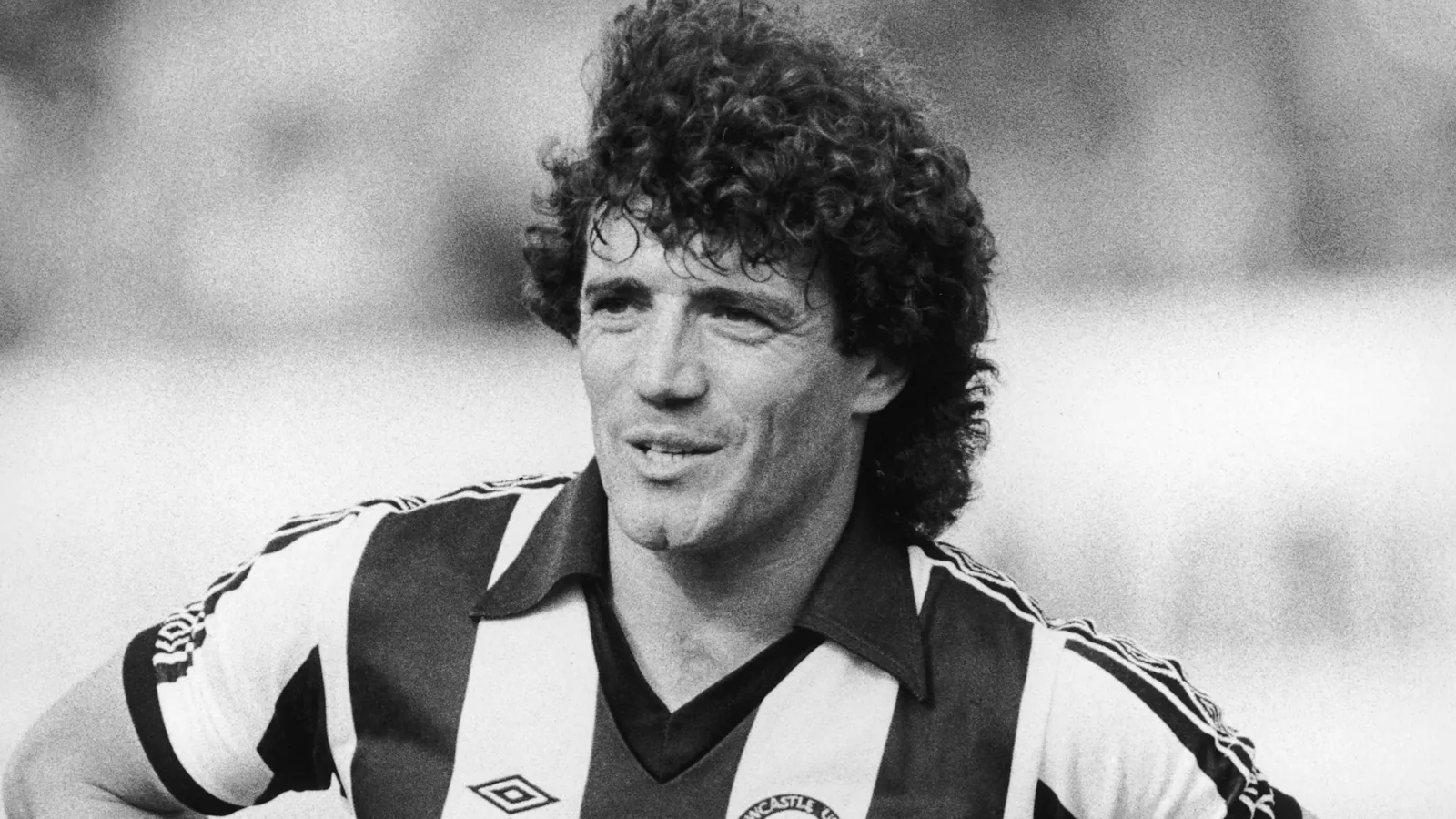
After departing St James’ Park in January 1997, Keegan had a brief period at Fulham before taking on the role of England manager in 1999, succeeding Glenn Hoddle. His tenure with the national team was relatively short, lasting 20 months and 18 games, with a win ratio that was the lowest for an England manager at the time. He resigned after a defeat to Germany at Wembley Stadium during a disappointing Euro 2000 campaign.
A spell at Manchester City followed, which Keegan left in March 2005, initially announcing his retirement from football. However, he made an emotional return to Newcastle in 2008. This second stint lasted eight months, concluding due to tensions with the club’s board and owner Mike Ashley. A tribunal in 2009 awarded Keegan damages for constructive dismissal.
Legacy and Impact
Newcastle United acknowledged Keegan’s profound impact, describing him as “more than a legendary footballer and manager.” The club highlighted his role in transforming perceptions of Newcastle United as a player and igniting the city with hope and pride as a manager. His connection with the North East, rooted in his father’s heritage, was described as genuine and unwavering, earning him a place in the hearts of millions.
Keegan’s influence extended beyond the pitch; he wrote newspaper columns, had his own branded football boots, released a hit record titled “Head Over Heels in Love,” and was a star on the BBC’s Superstars. He also featured in advertisements for Brut 33 aftershave alongside Henry Cooper and formed a close friendship with George Best, whom he considered the best player he ever faced.
He was made an OBE in 1982 for his contributions to football. In 2023, Keegan’s comments regarding the suitability of former England women’s internationals commenting on men’s international matches at a public event in Bristol drew criticism.
Read Also
Source: theguardian.com

As NewsGB.org's Sports News Writer, Theo Marsden reports on rugby union, golf and boxing for readers across the country. He began on a regional sports desk in Yorkshire. He holds a degree in Journalism from the University of Hull and completed an NCTJ diploma. Theo lives in Hull, where he follows the European Tour and amateur rugby. “Sport moves fast; readers deserve it right the first time.”