
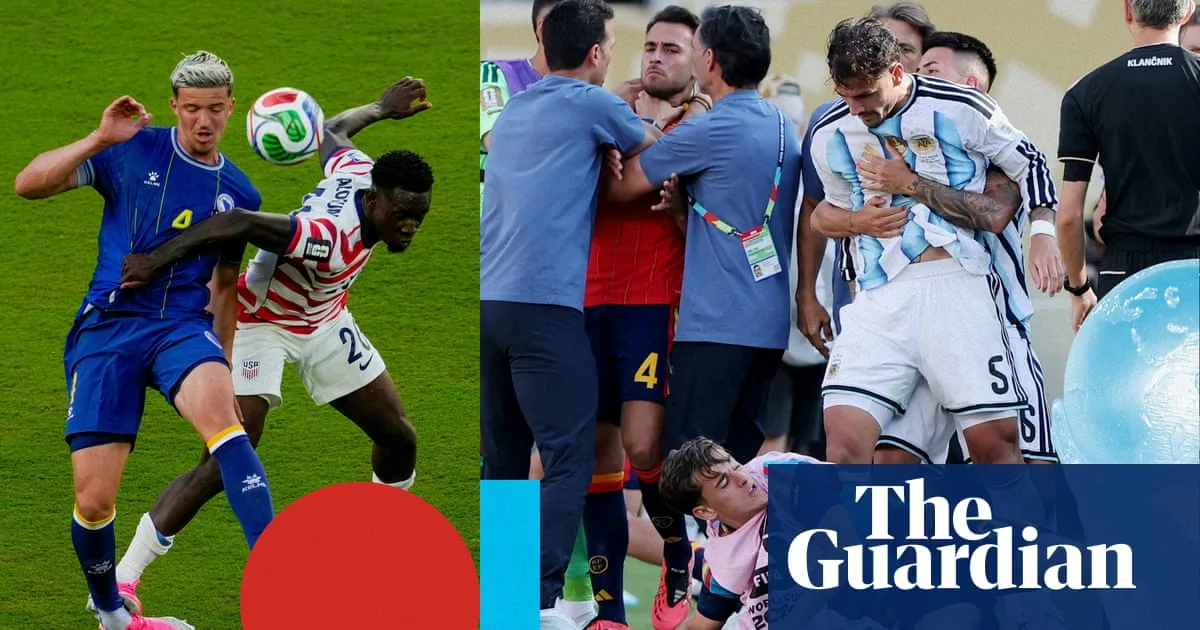

Tournament Overview and Controversies
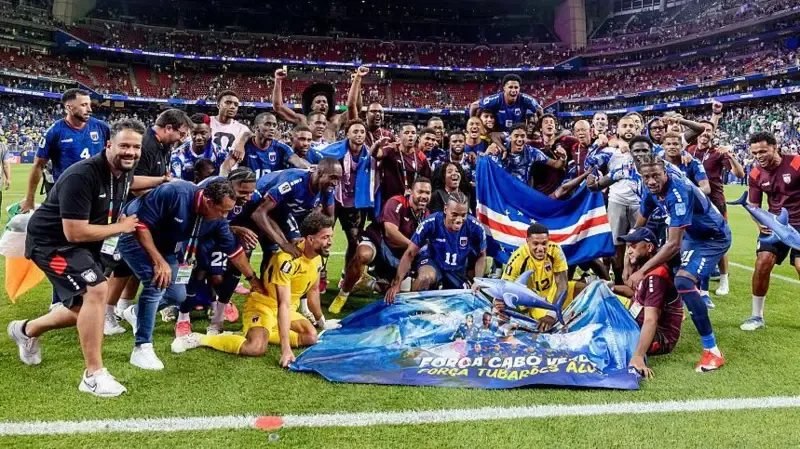
The 2026 World Cup, hosted across the United States, Mexico, and Canada, was described by Fifa president Gianni Infantino as potentially the “biggest event in the history of mankind.” The tournament expanded to include 48 teams for the first time, with nations such as Curacao, Cape Verde, Jordan, and Uzbekistan making their debuts. This expansion aimed to bring new storylines and colour to the group stage, which saw teams like Cape Verde achieve notable draws against Spain and Uruguay, finishing second in their group. Curacao also secured a point against Ecuador, while DR Congo drew against Portugal and advanced from their group.
Despite the new narratives, the tournament was not without controversy. High ticket prices were a significant point of contention, though stadiums reportedly operated at near-full capacity, with 6,527,410 fans attending matches. Fifa also generated additional revenue through a secondary resale platform, adding a 30% fee to each sale. The organisation faced scrutiny, including a subpoena from attorneys general in New York and New Jersey, regarding ticket pricing and the accuracy of seat locations. Initial bans on bringing water bottles into venues were reversed after public backlash, and high transportation costs in cities like New Jersey and Boston also saw reductions.
Political Interference and Rule Changes
The tournament was marked by political issues from its inception. Visa problems prevented supporters from several nations from entering the host countries. The refusal of entry to Somali referee Omar Artan at Miami Airport prior to the tournament highlighted early challenges. Iran’s team faced restrictions, with the US administration allowing them into the country for only 24 hours around each of their three fixtures.
A significant political controversy involved US President Donald Trump’s intervention regarding Folarin Balogun’s suspension. Following a red card, Balogun’s ban was suspended for 12 months by a Fifa disciplinary committee member, a decision unprecedented in a World Cup. This allowed Balogun to play against Belgium, a match the co-hosts lost 4-1, raising questions about political influence in sporting decisions. This incident, along with others, led to criticism of Fifa and its president from some British and American politicians.
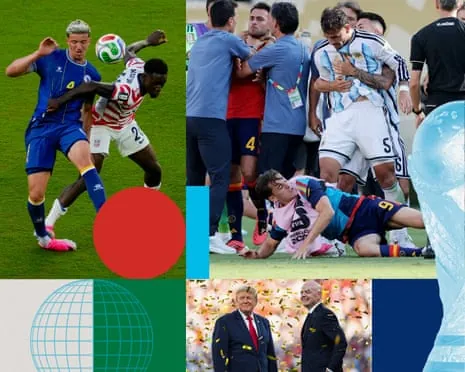
Pierluigi Collina, Fifa’s head of referees, implemented new laws aimed at improving the tempo of games, focusing on quicker throw-ins, goal-kicks, and substitutions, and reducing delays from apparent injuries. While the average match length, excluding hydration breaks, was 96 minutes 24 seconds with a ball-in-play time of 58 minutes 15 seconds, this represented a slight increase in action compared to the 2022 World Cup. The ball-in-play time increased from 57.4% in 2022 to 60.4% in this tournament.
Hydration Breaks and Seeding Policy
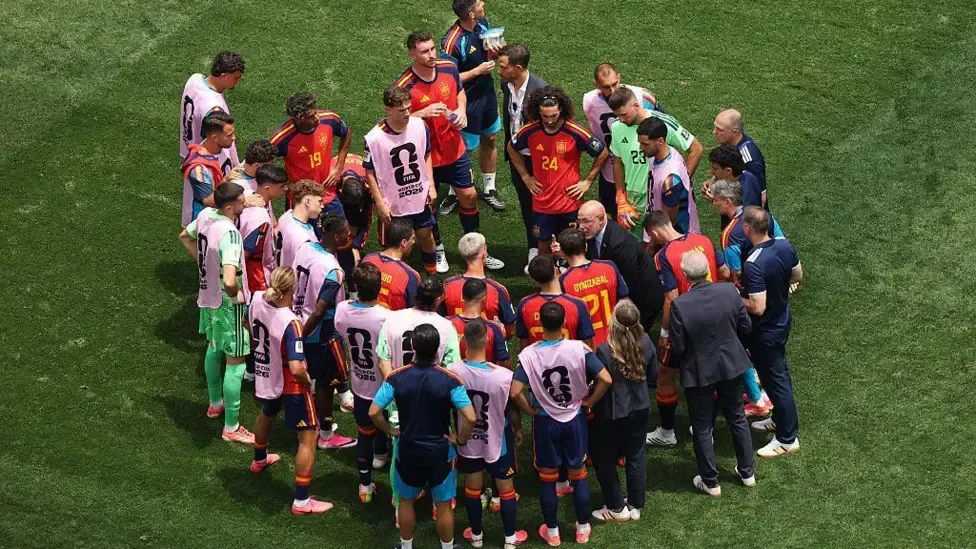
Mandatory three-minute hydration breaks were introduced, purportedly for player welfare, and were applied uniformly across all matches, even in air-conditioned stadiums. These breaks allowed broadcasters outside the UK to air commercials, with ad slots on Fox Sports in the US reportedly costing between $200,000 and $300,000, and up to $750,000 during USA matches and the final stages. Coaches utilised these breaks for tactical discussions, influencing the course of several games. Despite boos from supporters due to the stoppages, these breaks are anticipated to return in future World Cups, though Uefa has ruled them out for its competitions.
Fifa’s new seeding policy aimed to prevent top-ranked teams from meeting early in the knockout rounds. Argentina, England, France, and Spain were given special status to be drawn into separate quarters of the draw. To ensure that the top two ranked countries, Argentina and Spain, could not meet before the final, Fifa swapped Argentina into Group J and France into Group I. This arrangement meant that an Argentina-Spain final, similar to a tennis tournament draw, became possible.
The football itself was described as good, though not exceptional. Many dramatic games occurred in the last 32 or last 16 rounds, including Brazil v Japan, Morocco v the Netherlands, and Argentina v Cape Verde. Argentina’s semi-final victory over England was thrilling, but Spain’s win over France in their semi-final was less competitive. The final match was described as a dismal affair, with the winning team securing victory in a familiar, bloodless manner.
The Italian newspaper la Gazzetta dello Sport published a double-page spread criticising the tournament, citing issues such as ticket prices, the Balogun situation, weather conditions, the increased number of games, and decreased rest periods. Following this, the newspaper’s ticket allocation for the final was reduced from five to two, raising concerns about media access and freedom.
The treatment of Iran and the high ticket prices, which have made the World Cup a luxury event rather than a mass movement, set worrying precedents. Host cities in the US and Canada saw street sweeps of homeless individuals, while Mexico faced outcry over water extraction and environmental damage linked to tournament projects. The long-term financial and social impacts on these cities are expected to become clearer in retrospect.
The 2026 World Cup, with its blend of spectacle and significant controversies, including the Balogun affair and the treatment of media, will be assessed by posterity alongside previous tournaments such as those in 2022 and 2018.
Read Also
Source: theguardian.com

Harry Loxley is a Senior Football Correspondent at NewsGB.org. He spent his early career reporting East Midlands football. He focuses on the Premier League, the EFL and the England national side and is known for clear, deadline-driven reporting. He holds a degree in Sports Journalism from the University of Derby and completed an NCTJ diploma. Now based in Derby, he watches non-league and runs a fan podcast. “Good football writing follows the people, not just the points.”