
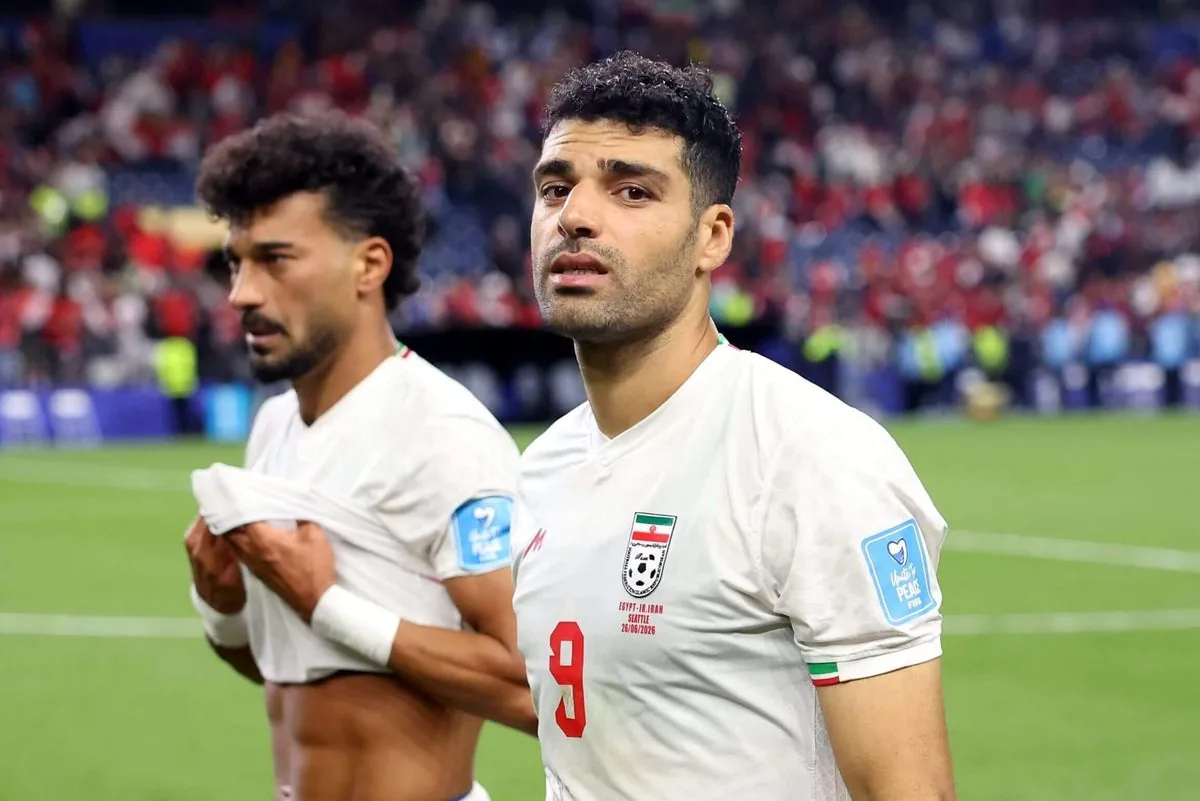

Concerns over team treatment
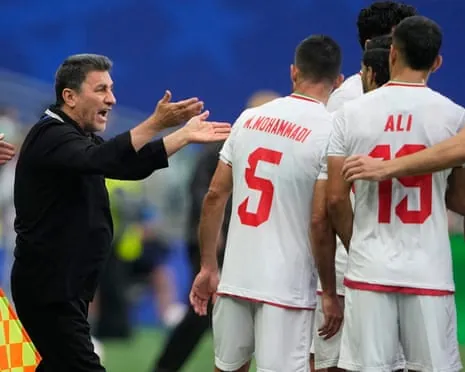
Iran head coach Amir Ghalenoei has voiced strong criticism regarding the treatment of his team by the United States, a co-host of the World Cup. Ghalenoei stated that FIFA president Gianni Infantino must address the situation, describing his team as the “most oppressed” at the tournament. He urged FIFA to prevent future hosts from treating teams and players similarly.
The coach highlighted that while Infantino has reportedly attempted to minimise issues, little has changed since the tournament began. Ghalenoei expressed pride in his players, noting that their performance amidst the challenges should be acknowledged. He believes the host country’s actions have been unfair.
Iran captain Mehdi Taremi echoed these sentiments, calling the logistical challenges of the World Cup a “disaster.” Taremi criticised FIFA’s handling of the situation, particularly concerning the denial of entry for Iran’s 11 senior officials and logistical staff into the United States. He questioned how the team could operate professionally without essential support personnel.
Taremi recounted Infantino’s visit to the team’s changing room after their first match against New Zealand, where the FIFA president reportedly said, “It’s just the beginning.” However, Taremi noted that the group stage was nearing its end, and the problems persisted. He expressed a feeling that the hosts and FIFA might prefer Iran to be out of the competition, stating, “We have to fight against everything here.”
Logistical and travel challenges
The Iran squad has faced significant travel restrictions, being required to return to their base camp in Tijuana, Mexico, after each match. This arrangement meant the team had to fly out of Seattle and back to Tijuana following their draw against Egypt. The team had initially planned to be based in Tucson, Arizona, but moved their base to Mexico due to ongoing military tensions between the United States and Iran.
Ghalenoei explained that these travel demands negatively impact player recovery, as flying immediately after a match postpones physical and mental recuperation. He mentioned that this was the third instance of such travel requirements for his team. The coach argued that reasonable requests for earlier arrival in host cities—two weeks before the tournament and two days before each game—were denied, affecting their preparation.
The US Department of Homeland Security did make a change for Iran’s final group game against Egypt in Seattle, allowing the team to arrive two days prior, an extension from the previous 24-hour window. However, the team was still required to depart on the day the match concluded. This adjustment followed the Iranian Football Federation’s plans to lodge an official complaint with FIFA regarding perceived unfair treatment.
Ghalenoei had previously stated that these restrictions were inconsistent with football’s values, emphasising that the team was there for football, not politics. The Iranian Football Federation believes such restrictions contradict the principle of equal conditions for all participating teams and could negatively affect preparation processes.
Impact on performance and qualification
Despite the numerous challenges, Ghalenoei expressed immense pride in his players’ ability to perform well. He believes their achievements, despite the obstacles, are a testament to their resilience and should be recognised historically. The team’s draw against Egypt saw Shoja Khalilzadeh have a stoppage-time winner disallowed for offside, and Saeid Ezatolah hit the crossbar, adding to their frustration.
The draw with Egypt meant Iran finished third in Group G. Their qualification for the knockout stage, specifically the round of 32, now depends on the results of other matches in the final round of group games. For Iran to advance, specific outcomes are needed, such as a draw between Algeria and Austria in Group J, a victory for DR Congo over Uzbekistan, and Croatia securing at least a point against Ghana.
Meanwhile, Egypt’s head coach, Hossam Hassan, addressed concerns about captain Mohamed Salah, who requested substitution during their match. Hassan indicated that Salah felt discomfort but assured that it was not a major injury and that Salah expected to be fit for their upcoming match against Australia in Dallas.
Read Also
Source: theguardian.com

Niamh Pendlebury is the Sports Reporter at NewsGB.org, covering tennis, cricket and athletics with seven years of reporting experience. She reported on Team GB and the county circuit. She holds a degree in Sport and Media from the University of Central Lancashire and completed an NCTJ diploma. Based in Preston, she plays club tennis and follows road running. “The best interviews come from patience, not pressure.”